







Search Results for: flavored latte
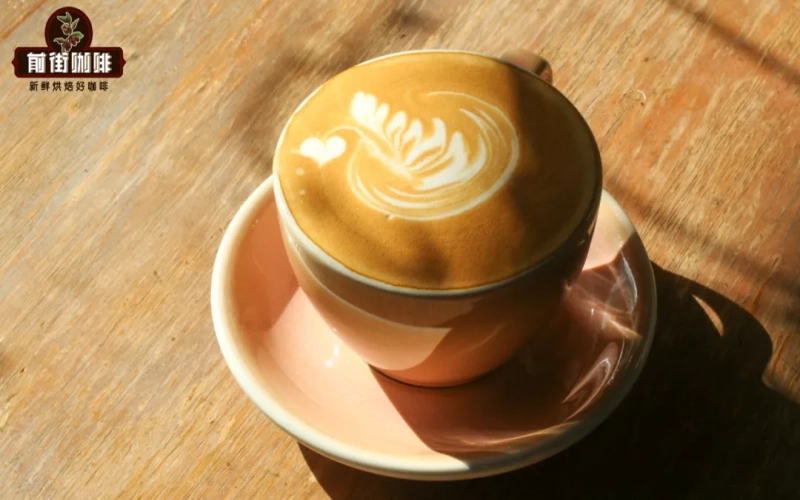
The Origins and Flavor Characteristics of Latte: From Italian Milk to the Evolution of Espresso
Latte is a classic fusion of espresso and milk, but its origins are far more convoluted than one might imagine—why do some "lattes" contain no coffee? Why do Italians get a glass of milk when they order a Latte? This article traces the complete story of latte, from etymology and history to crafting techniques, following its journey from Italian breakfast tables to cafés worldwide, and shares Front Street Coffee's hands-on experience in ingredient selection, ratio balancing, and crema control, helping coffee lovers understand what makes a good latte. [more…]
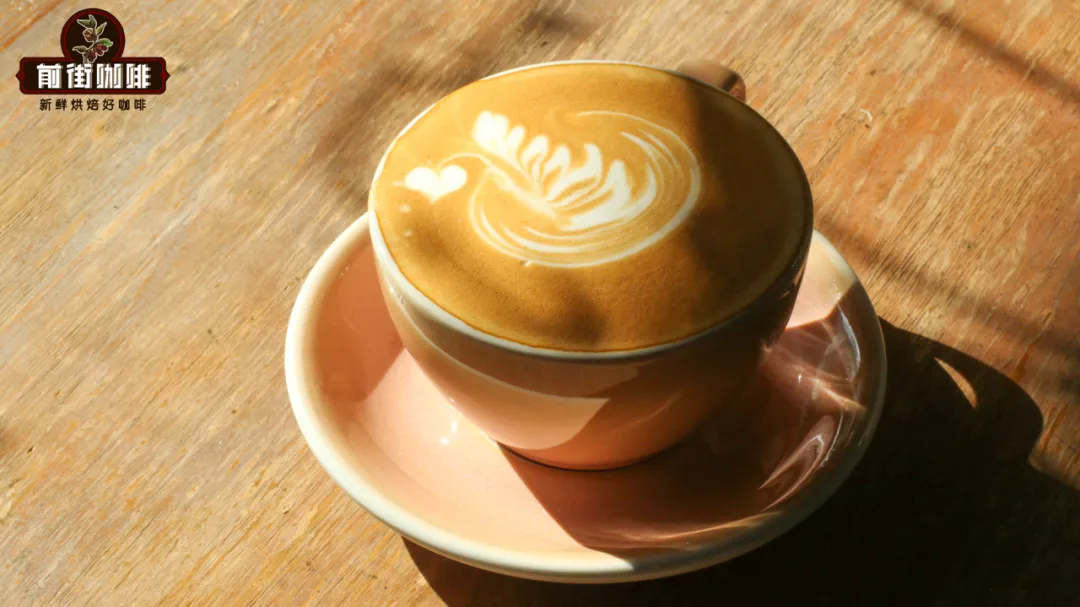
Espresso Coffee Latte Caffè latte | Is a latte coffee? Latte coffee flavor, taste, origin, history, preparation method and ratio introduction
For more specialty coffee knowledge, please follow: Front Street Coffee (Frontsteet Coffee) "Latte" is a transliteration of the Italian word "Latte". In Italy, "Latte" simply means hot milk, while latte coffee is called "CoffeeLatte", and is a type of fancy coffee. [more…]

The Origin Story of Latte | Which Tastes Better: Iced Latte or Hot Latte? What Is the Proper Way to Drink a Latte? Which Coffee Beans Are Suitable for Making an Espresso Latte?
Among the many espresso coffee choices, if someone asks which espresso coffee has the highest milk content, Front Street Coffee will definitely answer that it is a latte, and latte is further divided into iced latte and hot latte; their methods are slightly different, but the recipe is the same [more…]
The Origin and Meaning of the Latte Name Explained: Espresso with Milk, or a Misnomer for Plain Milk?
What exactly does the term latte refer to? In Italy, Latte is simply hot milk, so why is it that elsewhere, a latte has become an espresso drink with a large amount of milk added? Matcha lattes and red velvet lattes contain no coffee, so why are they also called lattes? This article will trace the origins and evolution of latte coffee from the beginning, clarify the difference between Latte and Caffè latte, and share the key elements for making a good latte—milk selection, espresso ratio, crema, and freshness—while also introducing Front Street Coffee's practical experience with blend beans and shipping freshness. [more…]
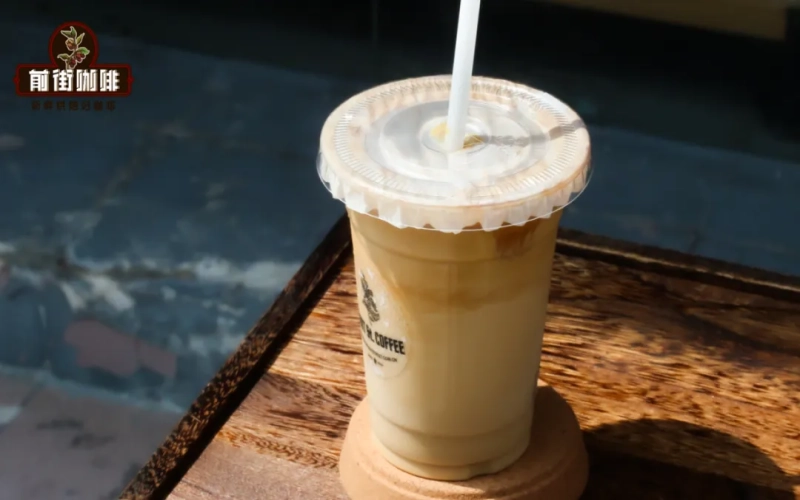
An Analysis of the Meaning and Characteristics of Latte Coffee, with a Caramel Nut-Flavored Latte Recipe and Coffee Bean Recommendations
Latte is the espresso drink with the highest proportion of milk, and many people fall in love with it because of the delicate latte art on the surface and the rich, smooth taste at first sip. But do you really know what a latte is? In Italian, it originally just means "milk," so ordering one could lead to a small misunderstanding. With the spread of espresso machines and steam wands, the modern latte gradually took shape, and in the 1980s Seattle baristas were the first to "paint" the surface with milk foam — this was the prototype of latte art. This article will sort out the definition and history of the latte, give Front Street Coffee's recommended ratio of espresso to milk, and focus on analyzing how different coffee beans shape the flavor direction of iced lattes, while also recommending a variety of Front Street Coffee blends and single-origin beans to help you make a latte that suits your own taste. [more…]
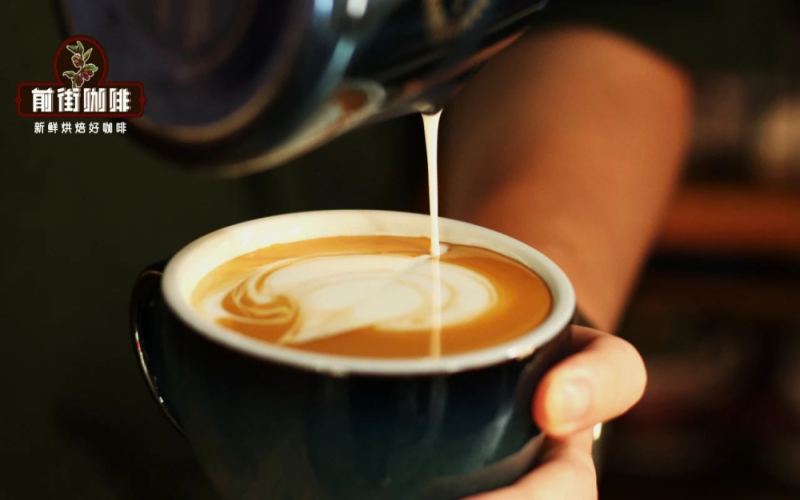
Latte Recipe | How to Make a Coffee Shop-Style Latte? What's the Right Espresso-to-Milk Ratio for a Latte? Which Coffee Beans Make a Delicious Latte?
For more specialty coffee knowledge, please follow the WeChat official account: Front Street Coffee (FrontStreet Coffee). Latte coffee is one of our most common coffee drinks. At Front Street Coffee (FrontStreet Coffee), latte coffee is also the most popular espresso [more…]

What is Piccolo Coffee? How Does It Differ from Latte and Flat White? Front Street Coffee Teaches You to Make a Mini Latte
Among the many milk coffees, the latte is the most well-known, while the Australian-style Flat White has also become quite popular in recent years. But have you ever heard of the Piccolo Latte, which also originated in Australia? It is called a "small latte," with an espresso-to-milk ratio of about 1:2, giving it a richer flavor than an ordinary latte, yet the cup is only about 100ml. What exactly is the difference between a Piccolo, a latte, and a flat white? Why does it better highlight the flavor of the coffee beans themselves? Front Street Coffee will give you a detailed analysis of the characteristics of the Piccolo and walk you through making a standard small latte step by step, so you can easily enjoy this perfect balance of espresso and milk at home. [more…]
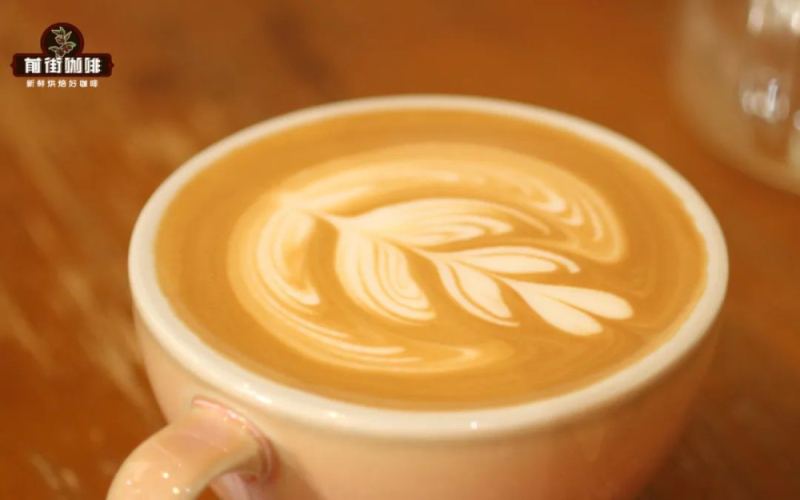
Latte Coffee Making Tutorial: A Detailed Guide from Coffee Bean Selection to Milk Frothing and Milk Ratio
Latte is the coffee drink most familiar to many people in their daily lives, but making a delicious latte requires attention to every step—from choosing the roast level of the coffee beans, to the extraction parameters of the espresso, to the techniques of steaming milk and pouring latte art. This article, drawing on the practices of Front Street Coffee, explains in detail the historical origins of latte, the types of coffee beans suitable for making lattes, the golden ratio of espresso to milk, and the staged method of steaming milk foam. It also introduces the flavor performance of Front Street Coffee's Sunflower Warm Sun blend in a latte, helping coffee enthusiasts, on the basis of understanding the principles, gradually master the key points for making a smooth and rich latte. [more…]
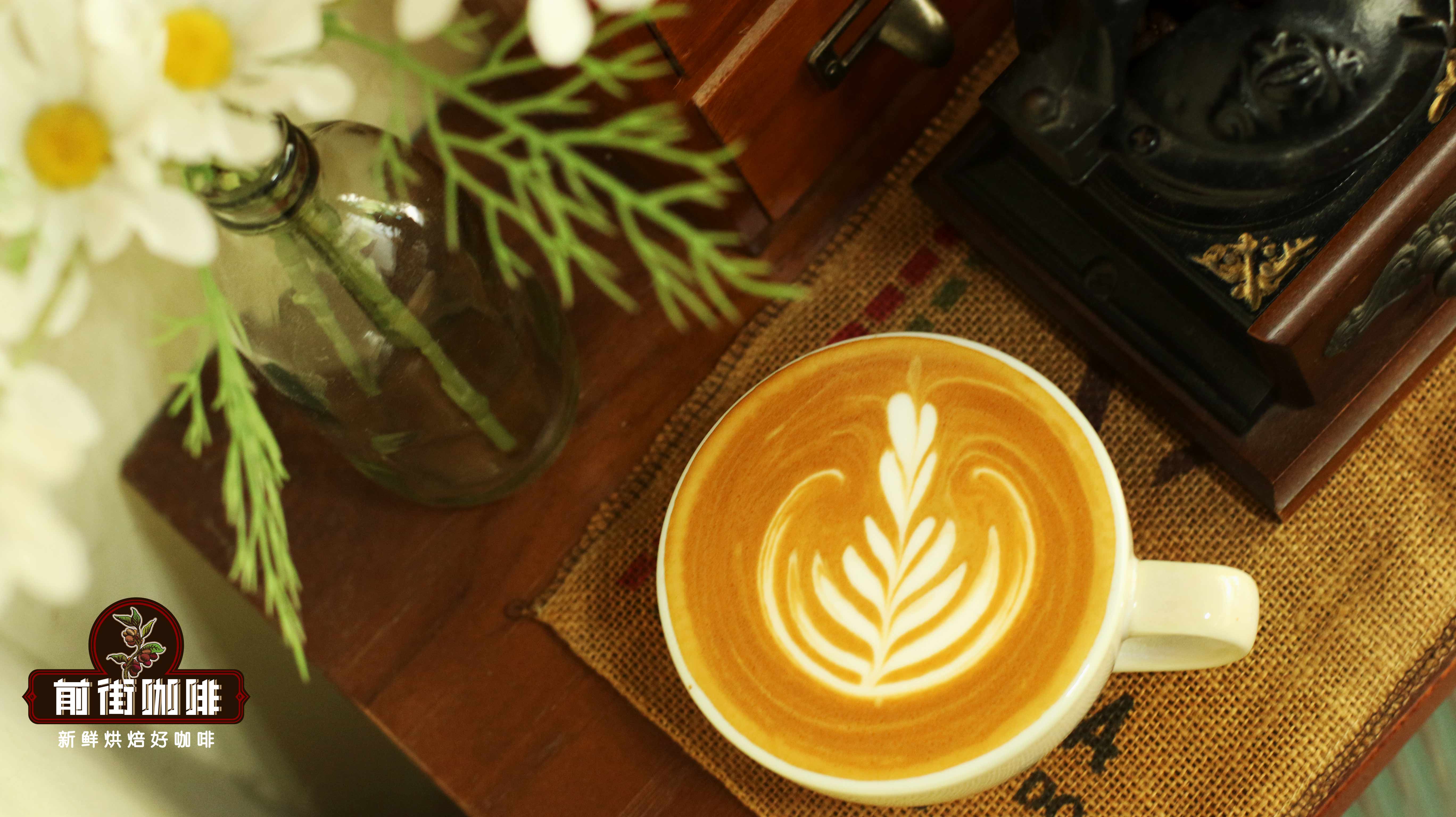
Latte Coffee Espresso to Milk Ratio | How to Make a Latte Just Like a Coffee Shop? What Kind of Espresso Beans Are Suitable for Latte Art? Introduction to the Operational Details of Making Latte Art
"Boss! Why doesn't the latte I make at home taste as good as the one in your shop? Are you hiding some secret recipe?" This is a conversation that tends to pop up after many customers try the latte sold at Front Street Coffee shops~ To be fair, latte coffee doesn't have that many key points; you just need to pay attention to a little [more…]
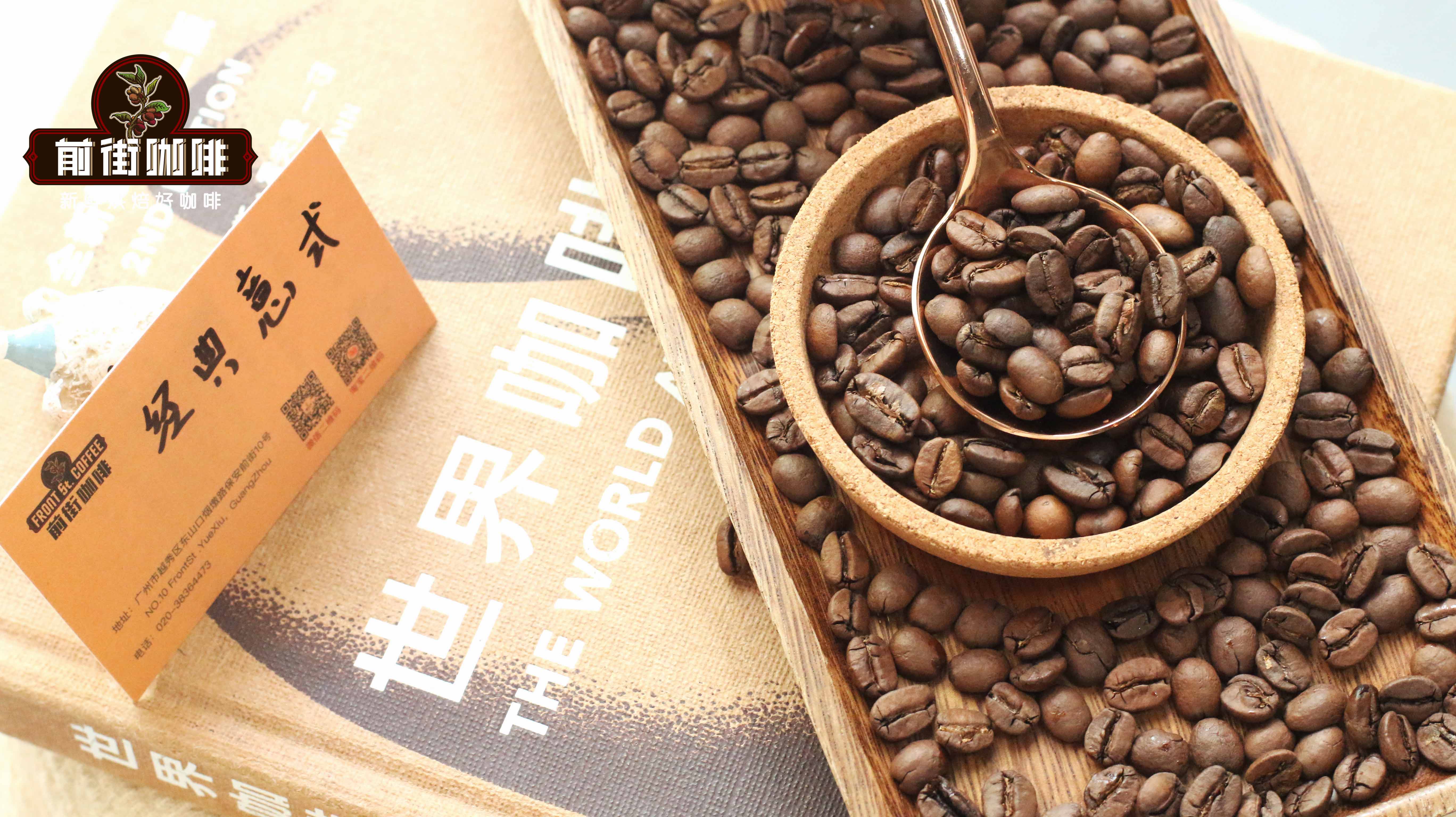
Espresso beans for lattes | What is the key to a delicious latte? How do you make a latte just like a coffee shop? Recommended espresso blend coffee beans perfect for lattes and flat whites
In fact, making a latte doesn't have many key points; just pay attention to a tiny bit of detail, and you can double its deliciousness! So today, Front Street Coffee is here to share how to make a latte at home that tastes just as good as one from a café! 1. Choosing coffee beans Coffee beans are the main controller of a latte's flavor. The roasting of a bean [more…]
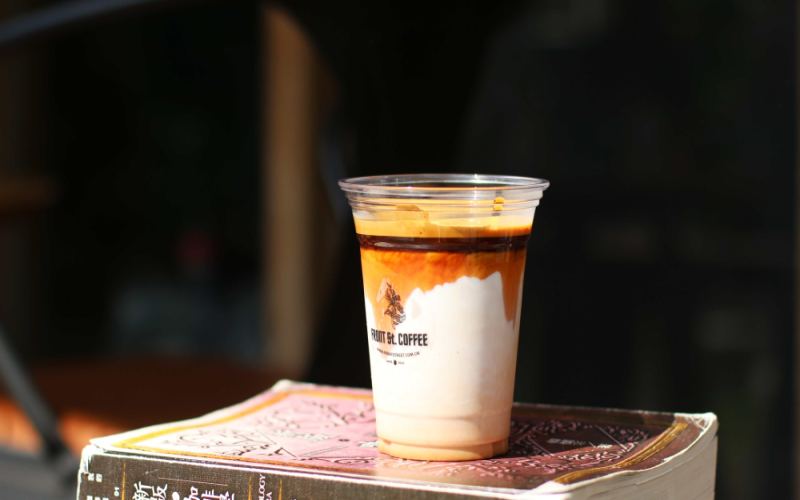
An Analysis of the Flavor Differences Between Lattes and Mochas: A Complete Guide to the Taste, Milk Foam Ratios, and Key Preparation Points of Lattes and Cappuccinos
Latte and mocha both belong to the Italian coffee family, yet they are often confused. The former is characterized by the blend of espresso and milk, with a prominent milky aroma and a relatively gentle coffee taste; the latter takes on different forms depending on whether chocolate sauce and cream are added—a pure mocha is sweet, sour, and elegant, while a flavored mocha gains the sweetness and richness of chocolate and cream. Latte and cappuccino are likewise easily confused, and the two differ noticeably in foam thickness, the ratio of milk to coffee, and latte art presentation. From the perspective of Front Street Coffee, this article sorts out the origins and brewing techniques of latte, analyzes the historical development of mocha, and compares latte and cappuccino in three aspects—latte art, taste, and origin—to help coffee lovers find the cup that suits them better. [more…]
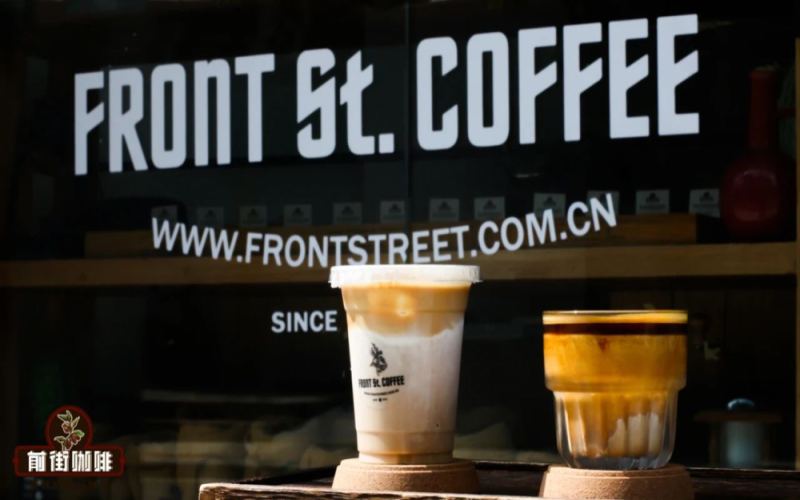
Detailed Guide to Latte Art Techniques: Key Points on Coffee Bean Selection, Milk Frothing, and Latte Art Integration
Latte coffee may seem simple, but it involves multiple steps such as coffee bean roast level, milk frothing, and pouring and latte art. This article traces the historical origins of the latte, analyzes the impact of coffee beans at different roast levels on latte flavor, and recommends several Front Street espresso blends suitable for making lattes. It also breaks down in detail the capacity, position, stages, and temperature control of steaming milk foam, as well as the basic process of pouring and latte art. Whether you are a beginner just starting out or an enthusiast looking to refine your flavor, you will find practical references here. [more…]
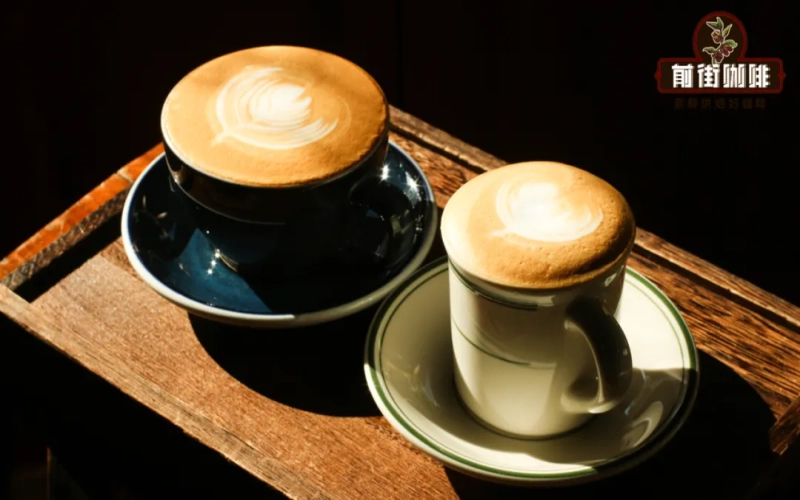
What's the difference between a latte and a cappuccino? A full breakdown from ratios and flavor to milk foam and latte art techniques
Latte and cappuccino are both classic milk coffees found in coffee shops, but many friends who are new to coffee often can't tell the difference between the two, and even order based on how pretty the latte art looks or how fancy the name sounds. In fact, these two coffees differ noticeably in ingredient ratios, flavor direction, milk foam thickness, and latte art performance. This article will break down the core differences between latte and cappuccino one by one, covering the ratio of espresso to milk, the causes of sweet and bitter flavors, and the impact of milk foam thickness on mouthfeel and latte art, while also sharing Front Street Coffee's specific parameters and blend recommendations for producing these two coffees, so you won't be confused the next time you order. [more…]
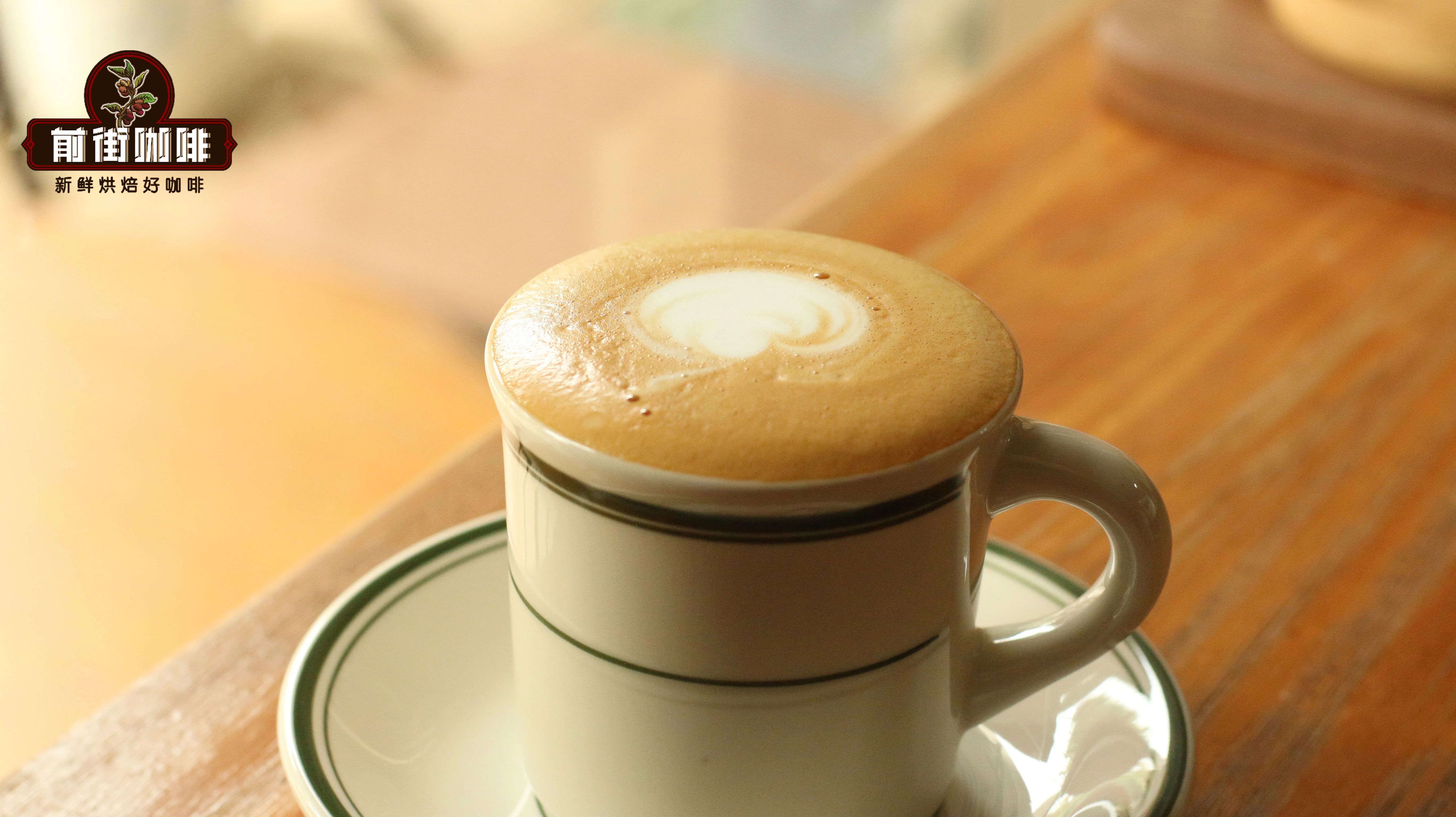
How Much Espresso Is in a Latte? Cappuccino vs. Latte Flavor Differences and Front Street Coffee Espresso Bean Recommendations
Latte and cappuccino are the two most common espresso milk drinks. Both are made from espresso, milk, and milk foam, but they differ noticeably in ratio, foam thickness, and mouthfeel. How much espresso actually goes into a latte? Roughly how much caffeine does it contain? And how should the coffee-to-milk ratio be managed during preparation? This article addresses these questions, while also explaining how to choose espresso beans, extraction parameters, and the key temperature points for steaming milk. It also introduces several Front Street Coffee espresso blends suitable for making lattes, helping coffee enthusiasts create a full-flavored milk coffee at home. [more…]
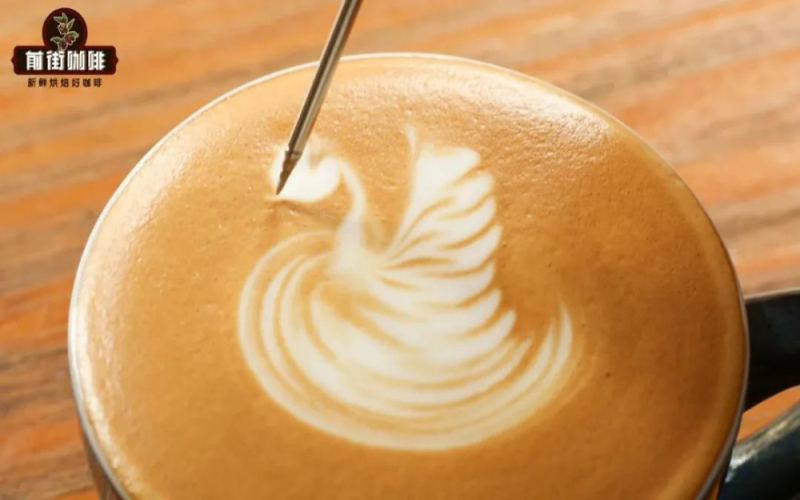
Why Does Removing Ice from a Latte Affect Flavor? Is It Feasible to Add Ice to a Hot Latte? A Detailed Explanation of Key Latte-Making Points
Can a latte be ordered without ice? Can ice cubes be added to a hot latte? These seemingly simple questions actually involve the ratio of milk to coffee, the extraction state of the espresso, and the control of milk temperature. Starting from the fixed ratio of a good latte, Front Street Coffee analyzes how removing or adding ice affects the flavor, and systematically sorts out the causes and solutions for the three common problems of lattes: too bitter, too watery, and both bitter and bland. Whether you are a beginner just starting out or a veteran looking to produce consistent results, you can find practical directions for adjustment. [more…]
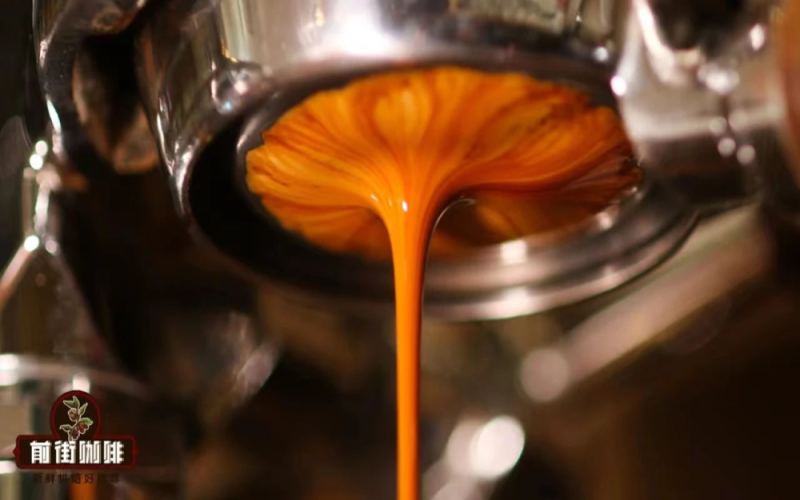
Latte Coffee Ratio | How to Make a Beautiful Latte Art Latte at Home? What Italian Coffee Beans Are Recommended for Espresso Lattes and Americanos
Quite a few friends have asked Front Street Coffee why, even when they use the same beans to make a latte, the taste always differs somewhat from what they drink in the shop. Why is that? First of all, the most traditional explanation of latte coffee is actually milk + coffee (without a fixed type of coffee). Later, the latte coffee introduced by Starbucks is [more…]
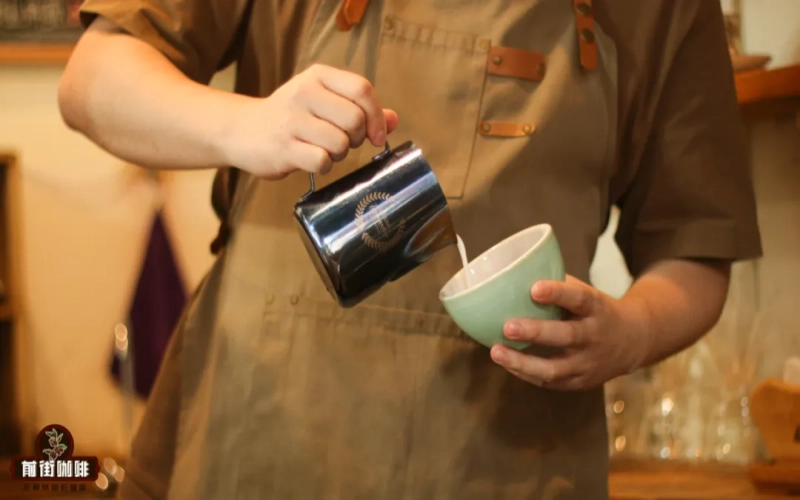
Does latte art affect the flavor of a latte? What key points should be considered when creating patterns in the preparation of hot Italian milk coffee?
Many coffee enthusiasts wonder whether latte art actually changes the taste of a latte. Starting from the factors that determine the flavor of milk coffee, and drawing on Front Street Coffee's own tests, this article explains that latte art has almost no effect on mouthfeel. On this basis, we go on to explore why hot milk coffee still needs latte art—the visual appeal and emotional value it brings often take effect before the guest even takes a sip, and directly influence purchasing choices and evaluations of the drink. For commercial offerings, latte art is an important way to convey thoughtfulness; when drinking at home, however, it is enough to ensure the quality of the beans and the extraction—whether or not to pour latte art is entirely a matter of personal preference. [more…]
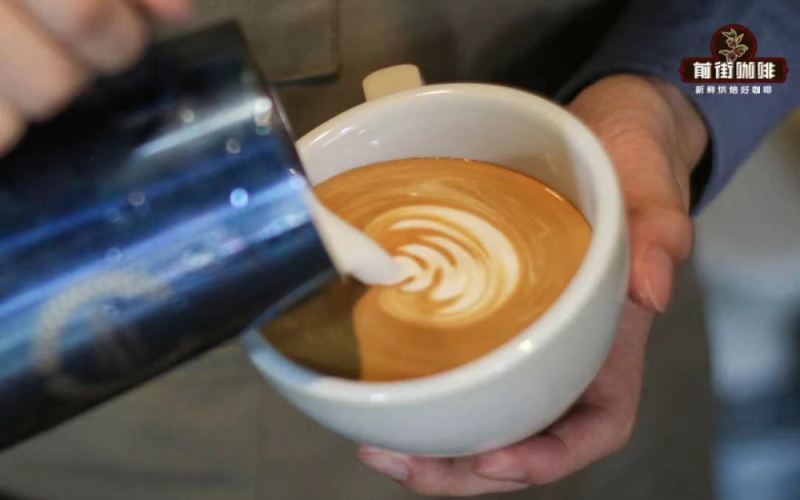
Latte Caffeine Content | What Is the Difference Between a Cappuccino and a Latte? How Can Coffee Beginners Make Latte and Cappuccino Coffee?
Front Street Coffee currently offers several types of espresso drinks, including latte, cappuccino, and mocha, with latte and cappuccino being the most frequently ordered. So what are the differences in taste and flavor characteristics between the two? How much caffeine does a cup of latte contain? Next [more…]
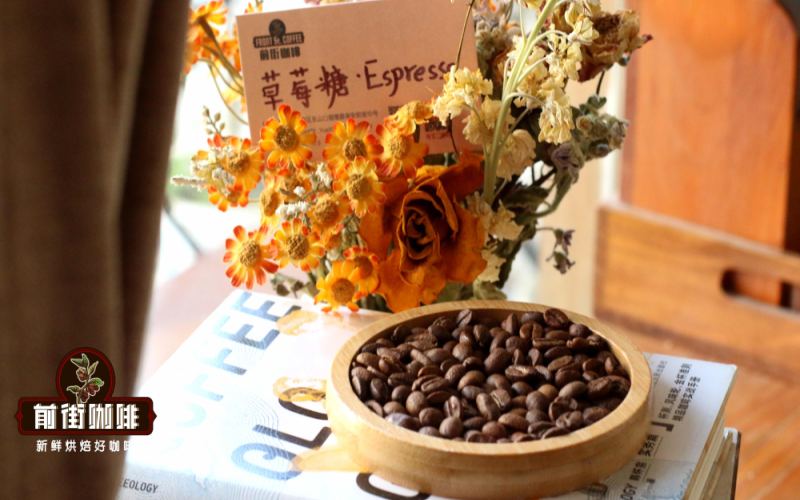
Latte Coffee | What is the espresso-to-milk ratio in Italy's classic milk coffee latte? Which Italian coffee beans should be chosen to make a latte?
Latte coffee is one of the many Italian-style latte coffees, because latte means fresh milk in Italian. In the English-speaking world, it generally refers to coffee brewed with hot fresh milk. Latte Coffee is coffee with milk added, usually directly translated as "latte coffee." [more…]
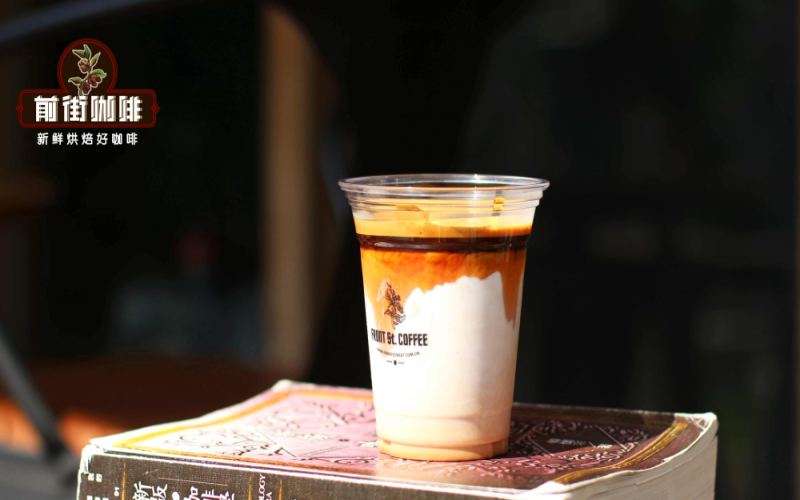
Latte Recipe | How to Distinguish Cappuccino, Mocha, and Latte? What Is the Espresso-to-Milk Ratio for Making a Latte?
For more specialty coffee knowledge, please follow: Front Street Coffee (Frontsteet Coffee). Front Street bets that among all the coffee drinks made at home by those who own a coffee machine, milk coffee must be at the top, and among them, the latte is the "face" that is especially favored by everyone. Because [more…]